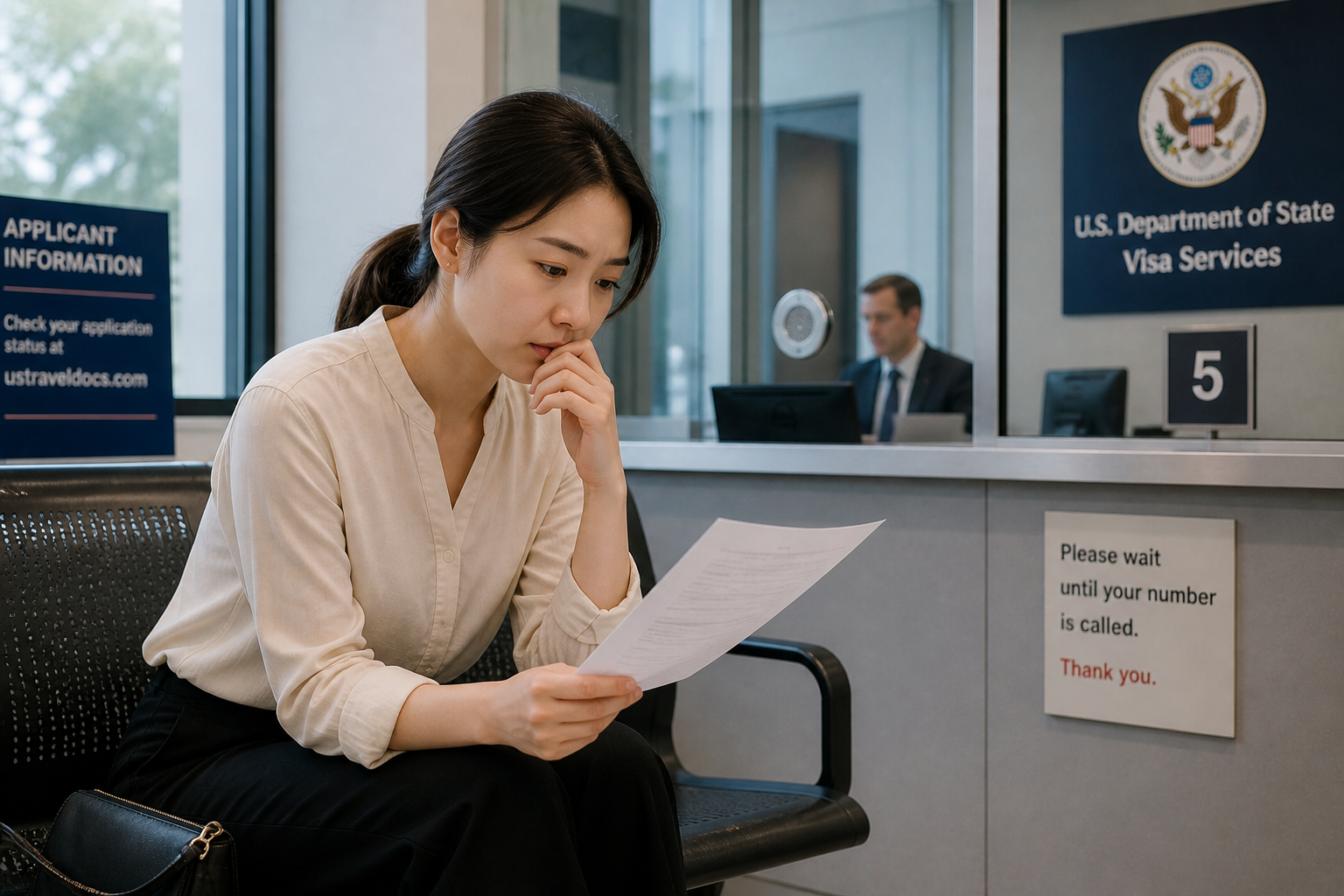
Applying for a U.S. visa can feel stressful, especially because many applicants worry about being denied.
While every case is different, there are several common reasons why visas are refused. Understanding these reasons in advance can help you prepare more effectively and avoid unnecessary mistakes.
This guide explains the most common U.S. visa rejection reasons in a clear and simple way.
Why U.S. Visas Get Denied
When you apply for a visa, a consular officer reviews your application and determines whether you meet the requirements.
One of the most important factors is whether you can demonstrate that you will return to your home country after your visit.
If the officer is not convinced, your visa may be denied.
Lack of Strong Ties to Your Home Country
This is one of the most common reasons for visa denial.
“Ties” refer to connections that show you will return home after your trip.
Examples include:
- Stable employment
- Family relationships
- Property or financial commitments
If these ties are unclear or weak, the officer may question your intention to return.
Inconsistent or Incorrect Information
Providing inconsistent information can create serious concerns.
For example:
- Differences between your DS-160 form and interview answers
- Incorrect personal or employment details
Even small inconsistencies can affect the outcome of your application.
Unclear Travel Purpose
Applicants should be able to clearly explain why they are visiting the United States.
If your purpose of travel is vague or not well explained, the officer may not be able to properly evaluate your case.
Being specific and consistent is important.
Poor Interview Preparation
Some applicants underestimate the importance of the visa interview.
Common issues include:
- Not understanding basic questions
- Giving long or confusing answers
- Appearing uncertain or unprepared
Preparation can help you feel more confident and communicate more clearly.
Insufficient Financial Evidence
Applicants are generally expected to show that they can cover their travel expenses.
If financial information is unclear or not convincing, this may raise concerns.
Previous Visa or Immigration Issues
Past immigration history can also affect your application.
This may include:
- Previous visa denials
- Overstaying a visa
- Violating visa conditions
Each case is reviewed individually, but past issues may be considered.
What Happens After a Visa Denial?
If your visa is denied, you will usually be informed of the reason.
In many cases, the decision is based on specific sections of U.S. immigration law.
A denial does not always mean you cannot apply again. However, it is important to understand the reason before reapplying.
How to Improve Your Chances
While there is no guaranteed way to avoid denial, careful preparation can help.
Some general tips include:
- Provide accurate and consistent information
- Clearly explain your travel purpose
- Prepare for common interview questions
- Organize your documents in advance
Taking time to prepare can make a meaningful difference.
Final Thoughts
Visa denials can happen, but understanding the common reasons can help you approach the process more confidently.
By preparing carefully and presenting your information clearly, you can reduce the risk of avoidable mistakes.
What to Read Next
You may also find it helpful to read:
- How to Apply for a U.S. Visa
- U.S. Visa Interview Tips
- Common Visa Rejection Reasons
These guides can help you better understand the full visa application process and prepare more effectively.
This guide is based on general visa information and may change depending on U.S. immigration policies.